Comparing Organic Mattress Options: Naturepedic vs. Savvy Rest
A thoughtful sleep starts with a bed that honors both comfort and conscience. In this guide, we traverse the quiet terrain of organic mattresses, weighing materials, certifications, and real-world durability. We draw lines between two venerable names—Naturepedic and Savvy Rest—so you can choose with clarity, not impulse. Along the way, we’ll meet three key figures—from different eras—whose ideas quietly shaped how we understand sleep, material truth, and the furniture that cradles us to rest.
Certifications and What They Mean
In the realm of organic mattresses, certification is more than a glossy badge. It is a conversation about what touches your skin, what remains in the air, and what endures through years of use. Naturepedic and Savvy Rest both anchor themselves in certifications that speak to safety, environmental stewardship, and the absence of harmful chemicals. The most common pillars you’ll encounter include GOTS (Global Organic Textile Standard) for textiles, GOLS (Global Organic Latex Standard) for latex, and CertiPUR-US for certain foam components, among others.
Naturepedic emphasizes organic and non-toxic components across their line. Their emphasis on organic cotton covers, plant-based or natural latex cores, and wool or cotton blends often aligns with certifications that verify low VOC emissions and sustainable farming practices. Savvy Rest, meanwhile, leans into a holistic approach to materials—often featuring natural latex from certified suppliers, organic wool, and cotton covers—with a focus on transparent supply chains. When comparing, consider:
- Material provenance: Are latex, cotton, and wool certified organic? Is the sourcing traceable?
- Manufacturing ethics: Are factories audited for safety and fair labor practices?
- Product labeling: Do certifications appear clearly on packaging or product pages?
Core Materials: Latex, Cotton, and Wool
The heart of any organic mattress lies in what keeps you aloft and supported. Naturepedic leans toward organic cotton covers with either a latex core or a combination of latex and encased coils using careful, non-toxic treatments. Savvy Rest often centers on natural latex mattresses with organic wool and cotton, designed to breathe, resist heat, and cradle the body in a way that reduces pressure points.
Latex is a standout among these materials for its buoyant responsiveness. Natural latex—often derived from the sap of rubber trees—offers a balance of support and contour, with varying firmness levels to accommodate different sleeping styles. Cotton covers provide a soft, breathable envelope, while wool adds natural flame resistance and moisture management. In a world where synthetic foams may off-gas or trap heat, the natural trio of latex, cotton, and wool can feel like a return to clarity: straightforward materials with durable performance.
When evaluating, probe firmness labels with care. Organic latex comes in various densities; wool and cotton blends influence the feel and temperature. For sleepers who rotate between back, side, and stomach positions, understanding these tactile cues helps map the product to your personal sleep profile.
Side-by-Side: Naturepedic vs. Savvy Rest
The value of a mattress is rarely a simple equation of price versus comfort. It rests on a network of choices—certifications, materials, assembly methods, and long-term durability. Below is a practical framework to compare the two brands, anchored by recent product realities and the scale of their offerings.
- Certifications: Naturepedic’s portfolio often foregrounds organic textiles and non-toxic materials, with emphasis on GOTS, GOLS, and similar safety-oriented claims. Savvy Rest emphasizes natural latex and organic textiles with clear transparency about supply chains. Look for third-party verification and current certification statuses when evaluating current models.
- Materials: Both brands tend to favor latex-rich cores with organic cotton covers; Naturepedic sometimes incorporates wool blends for flame retardance and moisture control. Savvy Rest leans on the natural advantages of latex and wool, aiming for an airy, breathable sleep surface.
- Firmness and Feel: Expect a spectrum: from soft to extra-firm. The precise feel is shaped by density, layering, and cover materials. Many consumers prefer a mid-range firmness for all sleeping positions, with additional zoning or support features for back sleepers.
- Durability: Organic materials, when properly cared for, offer substantial lifespans. Latex tends to retain shape and resilience longer than some synthetic foams; a well-constructed organic mattress can weather a decade or more with minimal sagging and consistent support.
In the end, the choice between Naturepedic and Savvy Rest should be guided by which sensory experience feels best against your body, as well as which certification story resonates with your values. The rest—durability, warranty, and after-sales service—follows as a natural consequence of meticulous craftsmanship.
Testing Comfort and Reading the Firmness Label
A mattress is not a billboard; it is a tactile negotiation between you and the night. When you test in a store or, if shopping online, imagine a longer trial period, consider:
- Firmness labels: Soft, Medium, Firm are proxies for pressure distribution; test by lying in your typical sleep posture for several minutes.
- Pressure relief: Pay attention to areas like the shoulders, hips, and lumbar region. A mattress should cradle these zones without creating new points of tension.
- Temperature regulation: Latex and breathable cotton covers help, but the overall system should avoid prolonged heat buildup.
- Longevity and support: Think beyond the first test. Consider how the surface might sag after months of use, and whether the brand offers a robust warranty.
Naturepedic and Savvy Rest each offer ways to engage with comfort—trial periods, return policies, and customer support that help you adjust post-purchase. Your bedroom becomes a laboratory for sleep, a place where small, daily tests accumulate into long-term outcomes.
Three Key Individuals Who Shaped Sleep Thinking
Across centuries, thinkers and makers have quietly redirected how we think about rest, materials, and the furniture that houses our reveries. Here are three influential figures from different eras.
-
1) Leonardo da Vinci (1452–1519) — Designer of a Curious Dream
Though a polymath of art and engineering, da Vinci’s speculative notebooks reveal a mind that treated space and form as a dialogue. In his sketches of furniture and spatial arrangements, you glimpse a discipline that would later translate into beds and rooms designed for quiet, deliberate use. If you were to pin a quality to his sleep thinking, it would be restraint—an insistence that function precedes flourish. In the context of our mattress discussion, Leonardo’s legacy is a reminder that the best sleep arrangements are honest about what they can and cannot do, free of ostentation.
-
2) Florence Nightingale (1820–1910) — The Hygiene of Rest
Nightingale’s insistence on cleanliness and the science of health reshaped hospital environments and domestic spaces alike. While she is celebrated for nursing reform, her approach to environment—ventilation, sanitation, daylight—finds a natural echo in modern bedding design. Organic mattresses and breathable covers are not merely comforts; they are part of a disciplined system aimed at stabilizing sleep, preserving health, and reducing risk. In a historical sense, Nightingale helps us understand why certifications and material purity matter beyond fashion.
-
3) Ray Eames (1900–1988) — The Economy of Materials
Eames’s work celebrated how a small number of high-quality materials could yield exceptional forms. In bedding as in furniture, the principle remains: when you choose well-made materials—latex with organic cotton, wool with low-VOC finishes—you create lasting impressions of comfort that grow more meaningful with time. Eames’s philosophy of efficiency and beauty in a mid-century frame helps illuminate the current conversation about sustainable, durable sleep surfaces. His influence remains a touchstone for those who believe that design should be useful, enduring, and humane.
Product Spotlight: Larssen Bed as a Benchmark
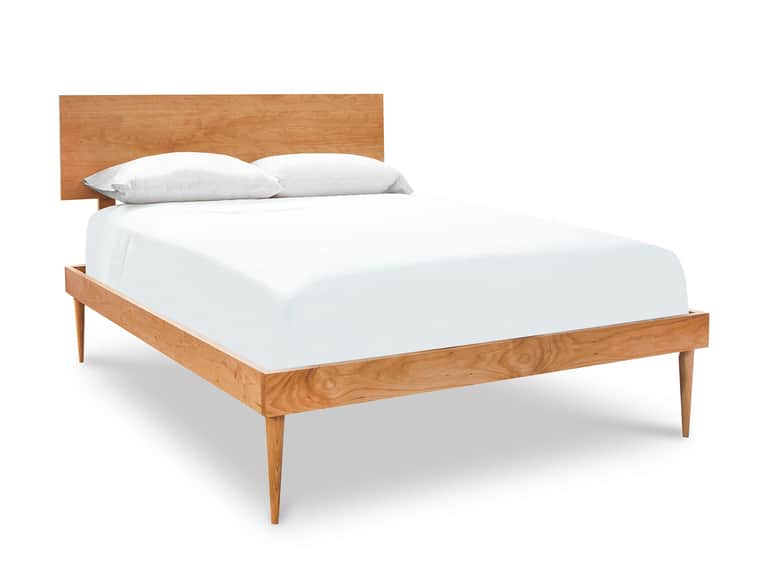
In a landscape of organic comfort, a superior platform bed is the framework that lets the mattress breathe and the bedding sing. The Larssen Bed, handcrafted in Vermont, embodies a philosophy of solid wood, restrained aesthetics, and daily resilience. While it is not a mattress, its synergy with organic materials makes it a relevant reference point for how a sturdy, timeless bed can anchor a sustainable sleep ecosystem.
Larssen Bed — Vermont Craftsmanship
Solid hardwood construction, one-piece headboard, and slender tapered legs create a timeless silhouette. The Larssen Bed is a reminder that a sleep space begins with a frame that anchors the room in quiet dignity.
Price: $2,635.00
View product
A bed like the Larssen, while not a mattress, sets the stage for the organic values we’re exploring: durability, clean lines, and a material story that aligns with responsible manufacturing. When you select a foundation that honors its own craft, the marriage with an organic latex mattress, a breathable cotton cover, and a wool blend becomes a coherent, sustainable ritual of sleep.
Practical Buying Tips for Organic Mattresses
To translate theory into daily relief, here are practical guidelines for choosing between Naturepedic and Savvy Rest, with a focus on real-bedroom testing, certifications, and long-term value.
- Prioritize third-party certifications and vendor transparency. Ask for documentation and current certificates; verify their validity and scope.
- Assess room conditions: temperature, humidity, and airflow affect how a mattress feels over time. Natural latex and breathable covers respond well to cooler environments, but a well-ventilated room matters for comfort.
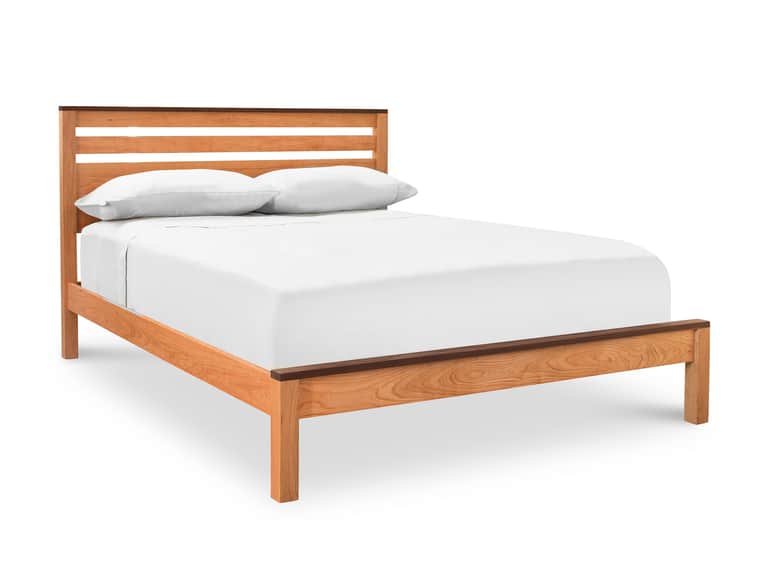
- Consider a modular approach: if possible, pair the mattress with an adjustable foundation and a wooden bed frame like the Larssen or Skyline Panel Bed to maximize air circulation and bed longevity.
- Plan for longevity: organic materials resist certain wear patterns but still benefit from rotation and proper support to avoid sagging. A robust warranty is not an afterthought but a reflection of the brand’s confidence in its product.
Closing Thoughts: A Quiet Confidence in Sleep Quality
The search for an organic mattress is, at its core, a search for quiet confidence. It is a conversation about what is safe for your body, what endures through the many seasons of life, and how the surface you lie on every night reflects your values. Naturepedic and Savvy Rest offer distinct paths to the same destination: a healthier sleep environment rooted in transparency, durable materials, and careful craftsmanship.
And in noting the influence of historical figures, we are reminded that great sleep design does not emerge from novelty alone. It arises from an unwavering attention to material truth, comfort that respects the sleeper, and a design language that ages gracefully, like a beloved book.
Whether you choose Naturepedic’s organic commitment, Savvy Rest’s transparent latex approach, or a complementary combination of materials and aesthetics, the aim is to craft a bedroom that feels both honest and hospitable. A room where the bed, the sheets, and the space around them work in concert to foster healthier nights and clearer mornings.